
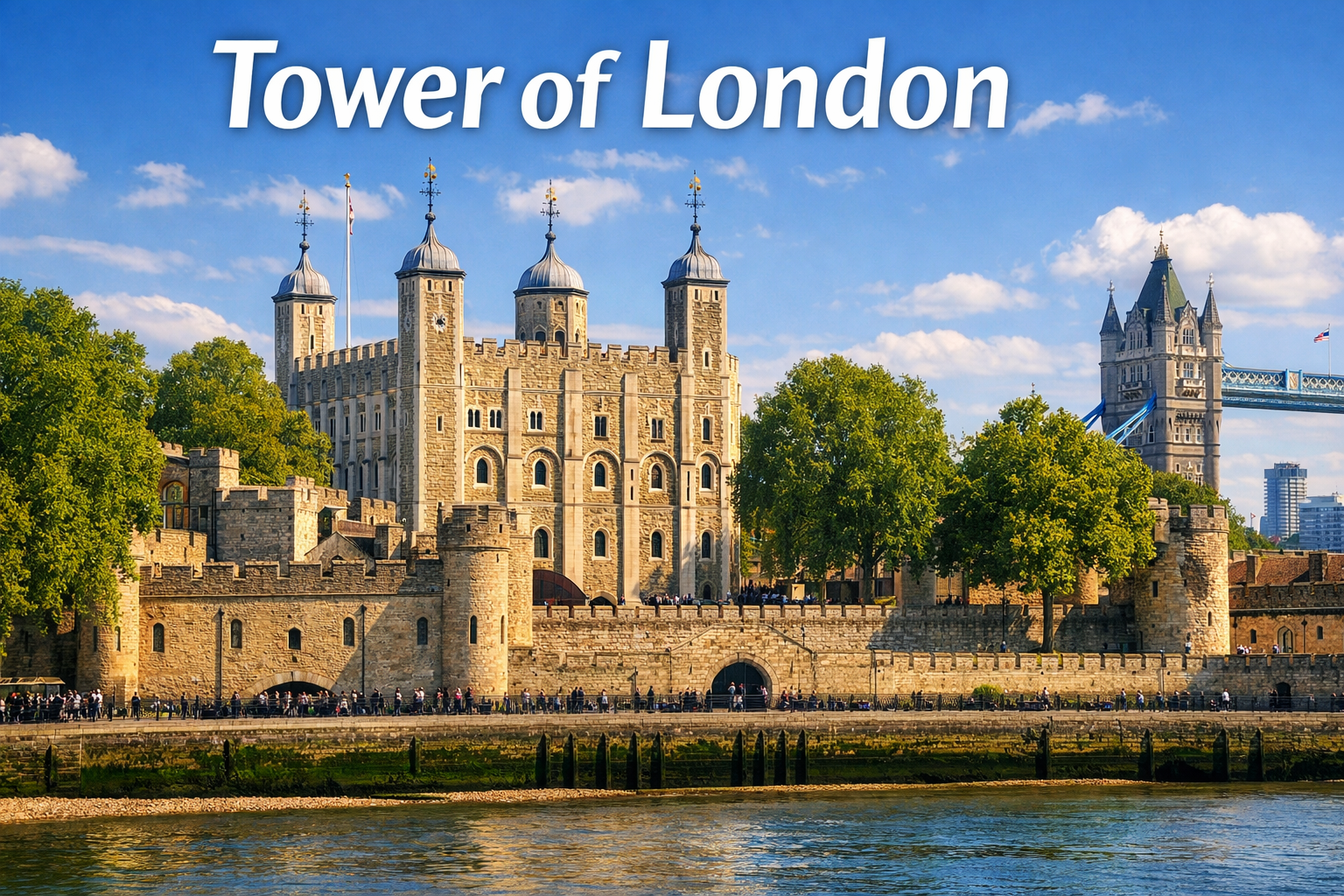
Tower of London History and Crown Jewels
The Tower of London is one of the most iconic landmarks in the United Kingdom, known for its dramatic history, royal connections, and priceless Crown Jewels. Standing at the heart of London for nearly a thousand years, it tells stories of power, betrayal, ceremony, and survival that continue to fascinate visitors from around the world.




Highlights
- Home to the world famous Crown Jewels of the United Kingdom
- Nearly one thousand years of royal, political, and military history
- Iconic Yeoman Warders sharing stories and traditions
- Historic towers, battlements, and medieval architecture
- Scenic riverside location along the River Thames
Description
The Tower of London stands as a powerful symbol of British history, rising above the River Thames with an unmistakable presence. More than just a castle, it has served as a royal residence, fortress, treasury, prison, and place of execution, shaping the story of England through centuries of change.
Walking through its stone walls reveals layers of history carved into towers, courtyards, and narrow passageways. The atmosphere feels solemn yet captivating, where royal ceremonies, whispered conspiracies, and moments of national transformation once unfolded.
Today, the Tower welcomes visitors as a living museum where architecture, legend, and royal tradition come together, offering a deeply immersive glimpse into the foundations of British power and identity.
Best Time to Visit
The best time to visit the Tower of London is early in the morning when it opens, allowing quieter access to the Crown Jewels and main towers. Morning visits also provide cooler temperatures and softer light for exploring the grounds.
Spring and autumn are ideal seasons due to mild weather and manageable crowds, while summer is popular but busier. Winter visits offer a calmer atmosphere and a dramatic setting under grey skies.
Fun Facts
- The Tower is guarded by ravens believed to protect the kingdom
- Anne Boleyn was imprisoned and executed here in 1536
- The Crown Jewels include crowns still used in royal ceremonies
- The White Tower is the oldest part of the complex
- Yeoman Warders still live within the Tower grounds
Itinerary
1 Day Ideal Visit Recommended
Begin your visit with the Crown Jewels as soon as the Tower opens to avoid queues. Continue to the White Tower to explore Norman architecture and medieval armor collections.
Spend midday walking the inner ward, visiting Traitors Gate, the Bloody Tower, and the battlements while listening to Yeoman Warder talks.
In the afternoon, explore the outer ward and enjoy views of Tower Bridge and the Thames before ending your visit at the Tower Green memorial site.
2 Day Relaxed Option For History Lovers
Day one focuses on major landmarks and guided talks, while day two allows deeper exploration of lesser known towers, exhibitions, and riverside walks.
Photo Spots
- White Tower against the London skyline
- Ravens perched within the inner ward
- Traitors Gate from the riverside path
- View of Tower Bridge from the battlements
- Ceremonial guards and historic gateways
Pro Tips
- Arrive early for the Crown Jewels
- Join a Yeoman Warder tour for deeper insight
- Wear comfortable shoes for stone walkways
- Allow at least three to four hours for the visit
- Check closing times as they vary seasonally
History for deeper readers
The Tower of London was founded in 1066 by William the Conqueror as a symbol of Norman power following his invasion of England. The White Tower, built in the late eleventh century, formed the heart of a fortress designed to control the city of London and protect royal authority.
Over the centuries, successive monarchs expanded the Tower into a vast complex of defensive walls and towers. It became a royal residence during the medieval period and later gained a darker reputation as a prison for nobles, traitors, and political rivals, including Anne Boleyn, Lady Jane Grey, and Guy Fawkes.
The Tower also served as a treasury, mint, armory, and menagerie, housing exotic animals gifted to the crown. By the nineteenth century, its role shifted toward preservation and public access. Today, the Tower stands as a UNESCO World Heritage Site, preserving nearly a millennium of British history within its walls.
Listen as a Song
A destination brought to life through music
by Triplara • A story you feel, not just hear ⭐

🎟️ Ready to Plan Your Visit?
Most visitors book tickets in advance to avoid queues and sold-out days.
See Tickets
 Location Map
Location MapMore to explore
Automatically pulled from related stories and nearby places.
Related Stories

London Night Bus Tour with Live Guide
Experience London by night on a guided bus tour featuring live storytelling, glowing landmarks, and unforgettable city views. Explore the capital’s most iconic sights beautifully lit after sunset.

London Paddington Station Luggage Storage Guide
Discover safe, affordable, and convenient luggage storage options at London Paddington Station. Find locations, prices, opening hours, tips, and nearby attractions in this complete traveler friendly guide.
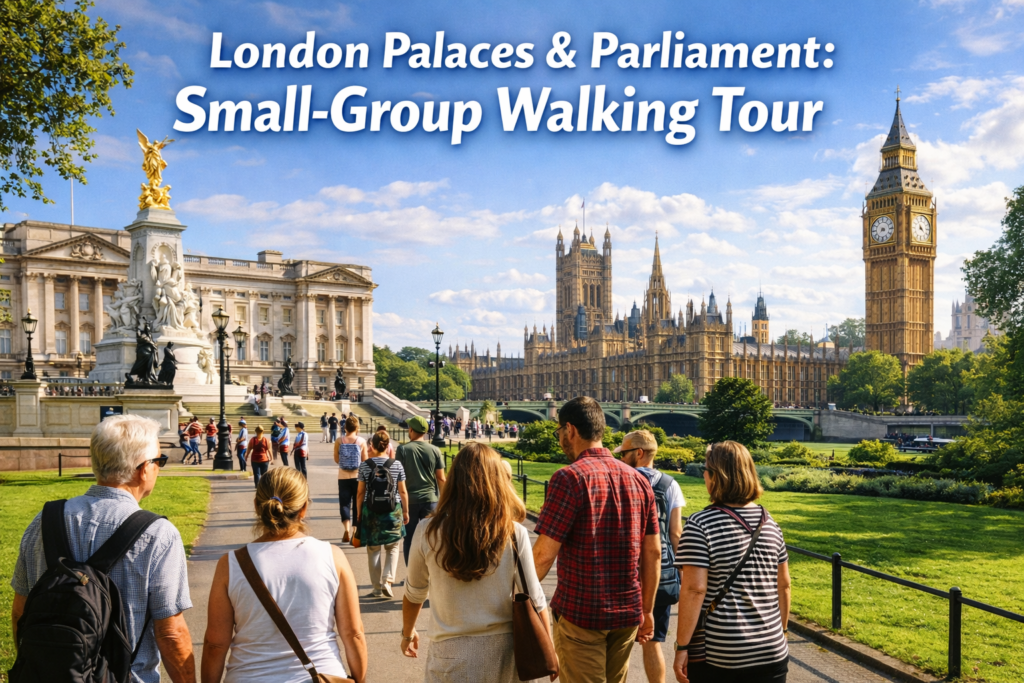
London Palaces and Parliament Walking Tour Guide
Explore London’s iconic palaces and the historic Houses of Parliament on a small group walking tour through royal landmarks, political history, and centuries of British heritage.
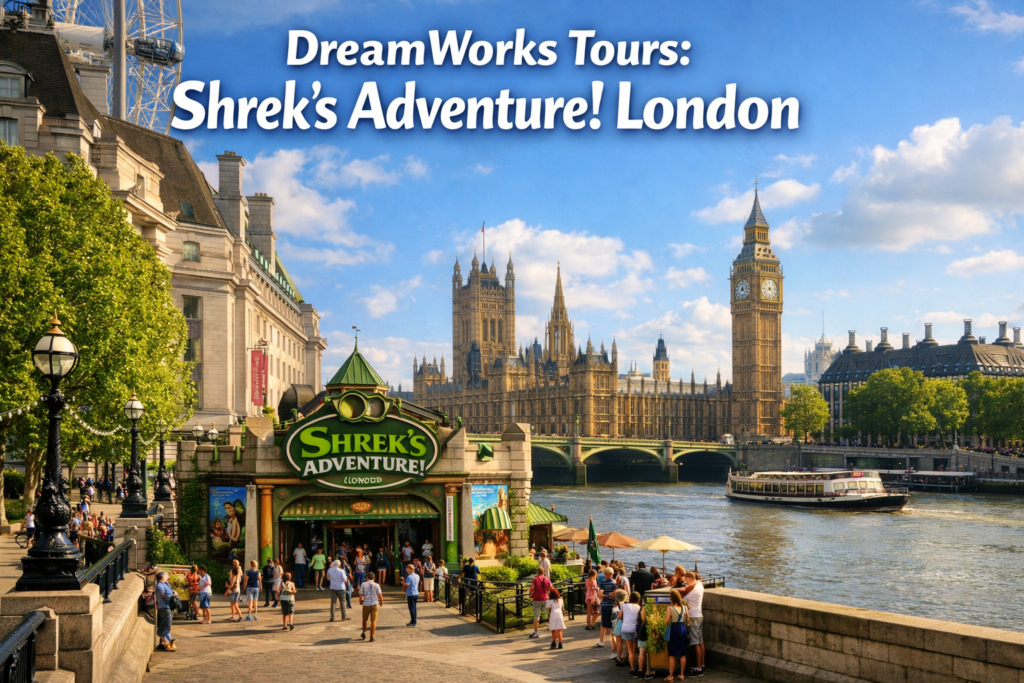
DreamWorks Tours Shrek’s Adventure London Guide
Explore DreamWorks Tours Shrek’s Adventure London, an immersive walk through journey on the South Bank where fairy tales, live actors and cinematic magic bring Shrek and friends to life in the heart of the city.
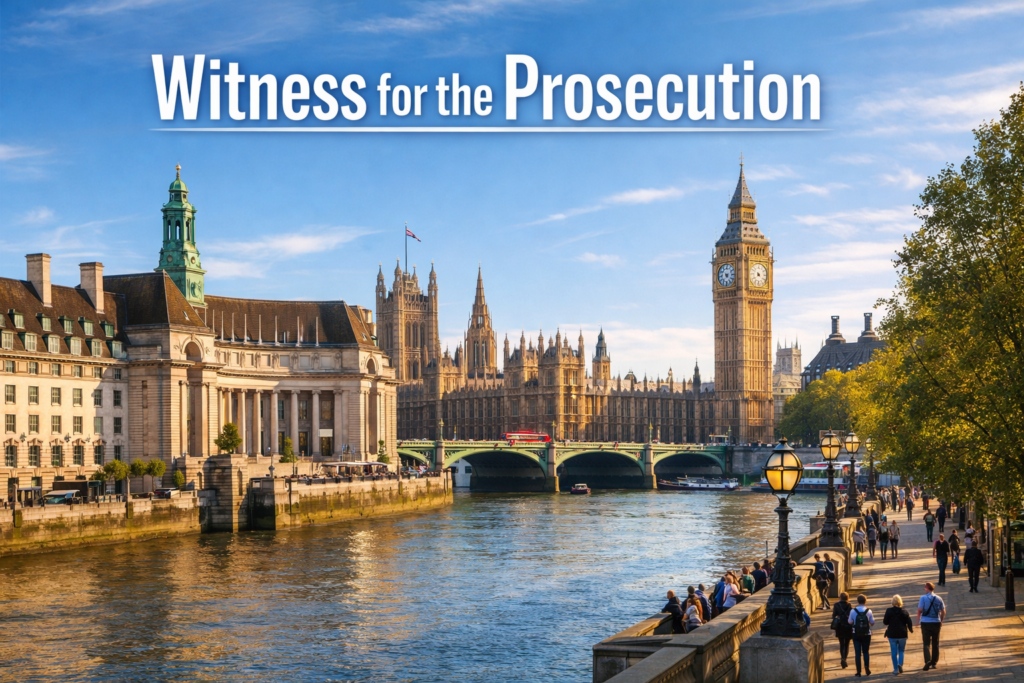
Witness for the Prosecution London Courtroom Drama Experience
Step inside a real courtroom and become part of the drama as Witness for the Prosecution unfolds around you. This immersive Agatha Christie classic blends suspense, surprise, and performance, placing the audience at the heart of one of London’s most unforgettable theatre experiences.
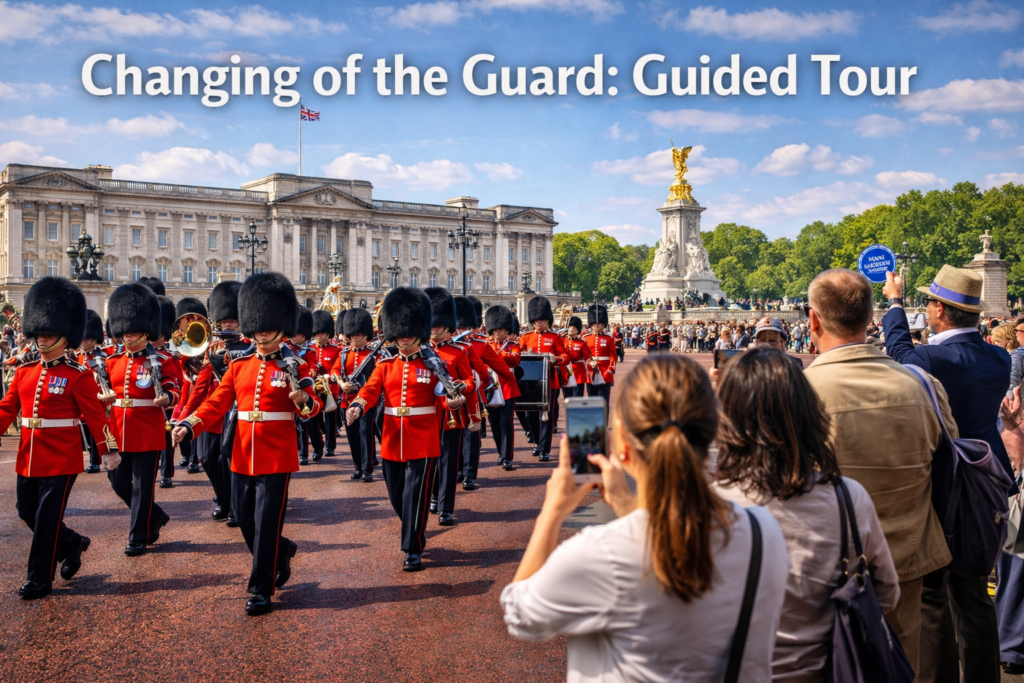
Changing of the Guard Guided Tour
The Changing of the Guard Guided Tour offers a front row experience of Britain’s most famous royal tradition, combining ceremonial precision, historic streets, and expert storytelling near Buckingham Palace.