
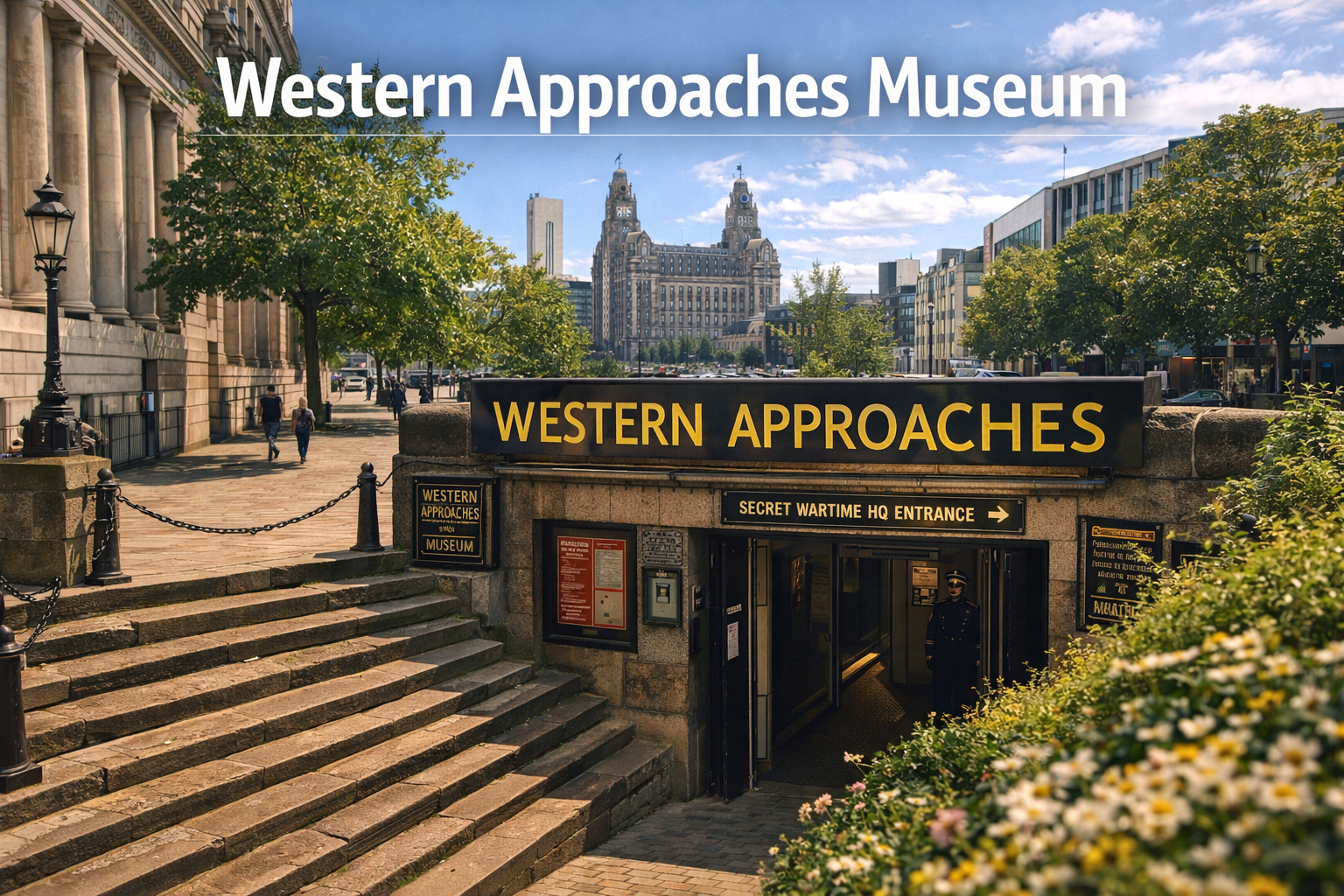
Western Approaches Museum
The Western Approaches Museum reveals the hidden underground headquarters where the Battle of the Atlantic was planned, offering a powerful and immersive journey into Liverpool’s vital role during World War Two.




Highlights
- Authentic World War Two underground bunker in Liverpool city centre
- Original operations rooms, maps, and wartime equipment
- Focus on the Battle of the Atlantic and naval intelligence
- Immersive storytelling with soundscapes and visuals
- Educational and engaging for history lovers and families
Description
The Western Approaches Museum is a deeply immersive historical experience located beneath Liverpool’s streets. It preserves the original secret headquarters used by the British Navy to coordinate the Battle of the Atlantic during World War Two.
Visitors step into preserved rooms filled with original maps, telephones, and plotting tables, gaining a real sense of the pressure and urgency faced by naval commanders. The museum does not dramatize history but allows it to speak through atmosphere, detail, and authentic spaces.
Through careful restoration and storytelling, the Western Approaches Museum connects visitors to the decisions that protected supply lines and helped shape the outcome of the war.
Best Time to Visit
The museum can be visited year round, but weekday mornings are ideal for a quieter and more reflective experience. Early visits allow more time to absorb the exhibits without crowds.
Autumn and winter visits pair well with Liverpool’s indoor cultural attractions, while summer visits benefit from combining the museum with nearby waterfront landmarks.
Fun Facts
- The bunker remained secret for decades after the war
- Thousands of convoys were tracked from this underground space
- Liverpool was Britain’s most important Atlantic port during the war
- Many original fixtures and fittings are still in place
- The museum sits just feet below busy city streets
Itinerary
Half Day Ideal Visit
Begin your visit at opening time and move slowly through the operations rooms, taking time to read the maps and listen to the audio elements. Allow space to absorb the atmosphere of the bunker.
After the museum, explore Liverpool’s waterfront or visit nearby museums to continue the historical journey of the city.
Photo Spots
- Operations room with original plotting tables
- Map walls showing Atlantic convoy routes
- Narrow bunker corridors with wartime lighting
- Entrance signage connecting past and present
- Exterior city streets above the hidden bunker
Pro Tips
- Wear comfortable shoes as the space involves standing and walking
- Read exhibits carefully for full historical context
- Allow at least ninety minutes for the visit
- Photography is allowed but lighting is low
- Combine with nearby attractions for a full day itinerary
History
The Western Approaches bunker was constructed during World War Two as a top secret command centre for the British Navy. Liverpool was chosen due to its critical role as the main port for Atlantic convoys supplying Britain and Allied forces.
From this underground headquarters, naval officers tracked enemy submarines, coordinated convoy movements, and made strategic decisions that directly affected the survival of Britain during the war. The work carried out here played a crucial role in winning the Battle of the Atlantic.
After the war, the bunker was sealed and largely forgotten until it was rediscovered decades later. Restored and opened to the public, it now stands as a powerful reminder of Liverpool’s hidden wartime contribution and the quiet intelligence work that helped change history.
Listen as a Song
A destination brought to life through music by Triplara.com
⭐ A story you feel, not just hear 🎧

🎟️ Ready to Plan Your Visit?
Most visitors book tickets in advance to avoid queues and sold-out days.
See Tickets
 Location Map
Location MapMore to explore
Automatically pulled from related stories and nearby places.
Related Stories

Best of Liverpool Sightseeing Tour
Discover the soul of Liverpool on a sightseeing tour that blends legendary music history striking waterfront views and powerful cultural landmarks into one seamless city experience.
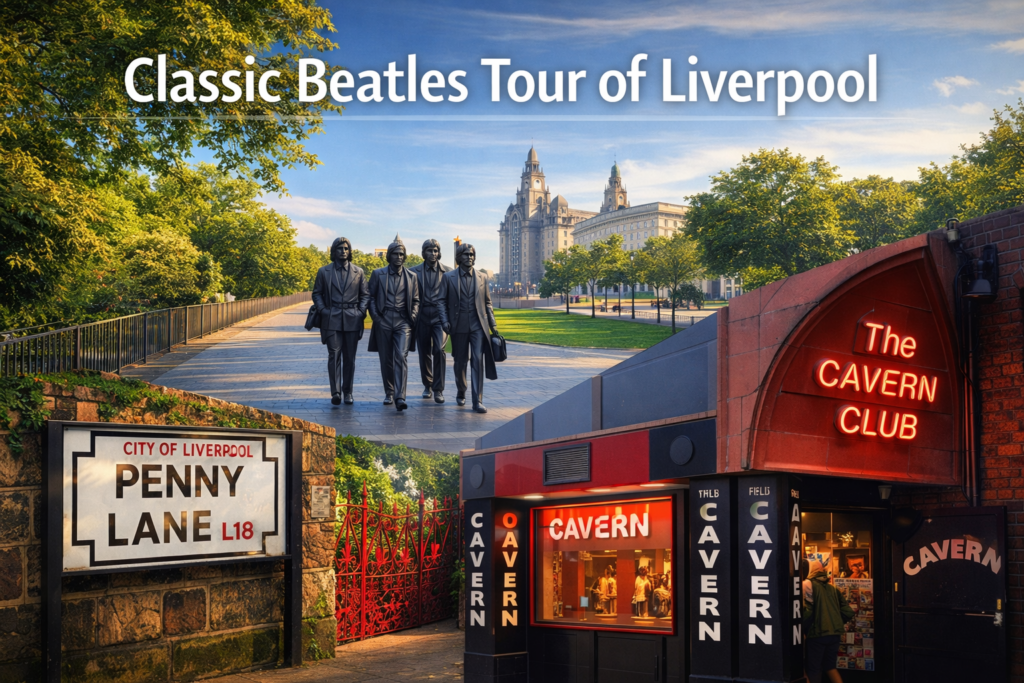
Classic Beatles Tour Liverpool
Follow the footsteps of John, Paul, George, and Ringo on Liverpool’s Classic Beatles Tour, exploring iconic childhood homes, legendary clubs, and the places that shaped the band that changed the world.
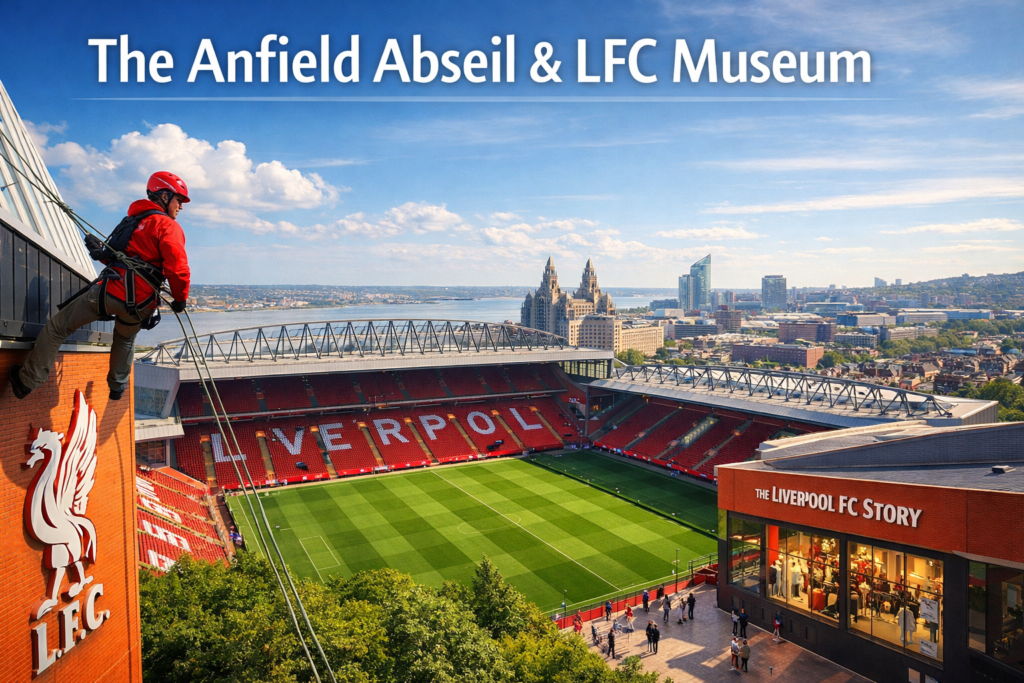
The Anfield Abseil Experience with LFC Museum Entry
Feel the adrenaline of abseiling down the iconic Anfield Stadium, then dive into football history with free entry to the Liverpool FC Museum, an unforgettable experience for fans and thrill seekers alike.
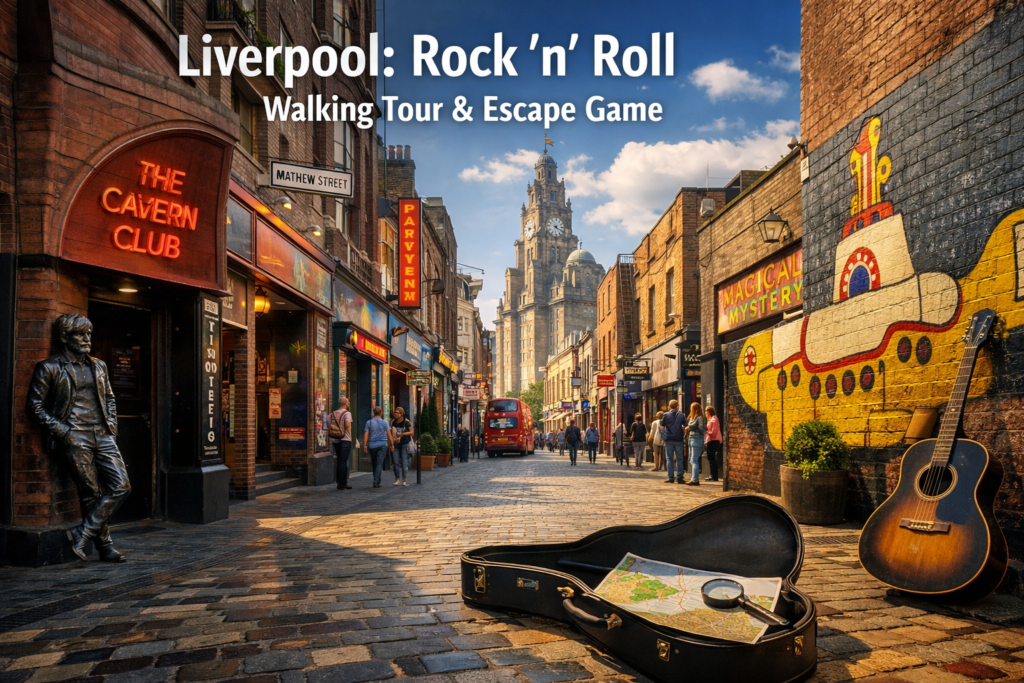
Liverpool Rock n Roll Tour & Escape Game
Discover Liverpool’s rock n roll soul on an interactive walking tour and escape game that blends music history, iconic streets, and puzzle solving into one immersive city adventure.
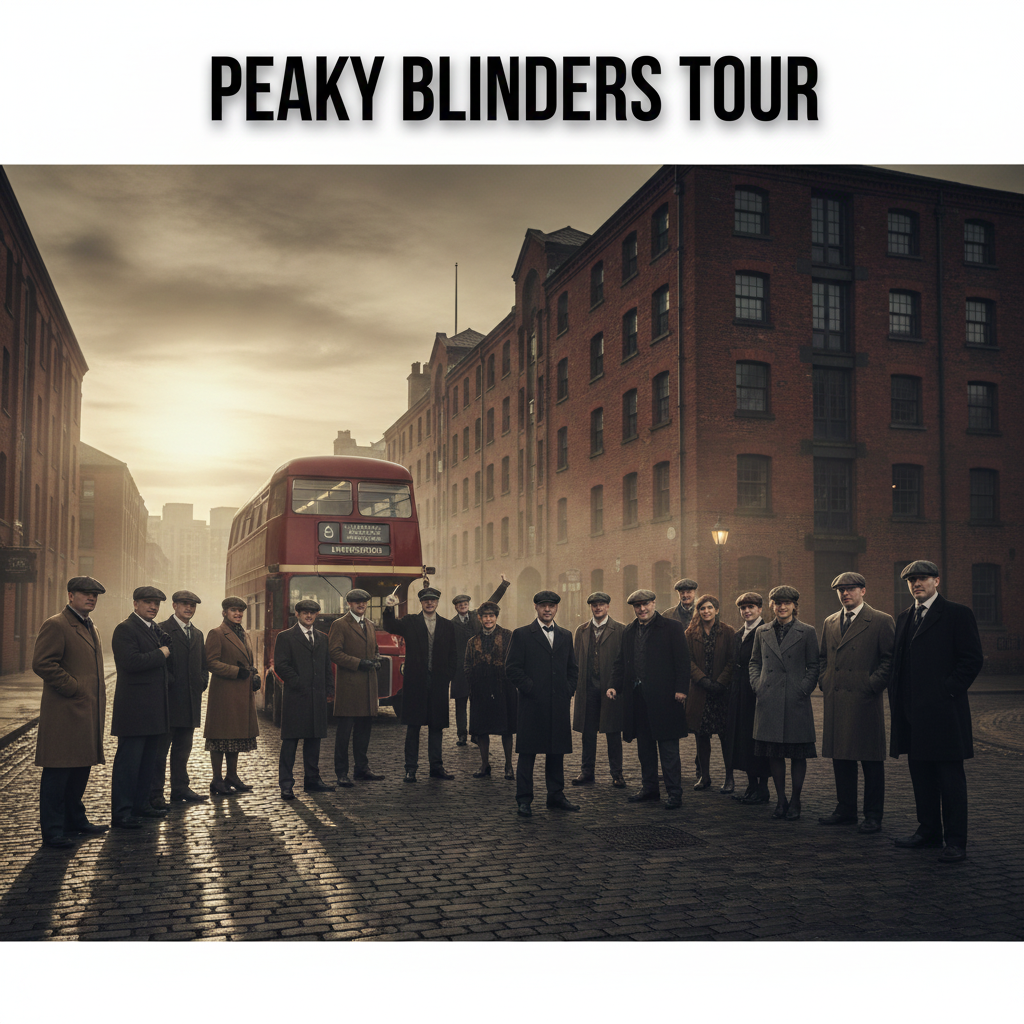
Liverpool Peaky Blinders Tour + 48 Hr Bus Pass
Step into the gritty world of Peaky Blinders on a guided Liverpool filming locations tour, then discover the city at your own pace with a flexible 48 hour hop on hop off bus pass.
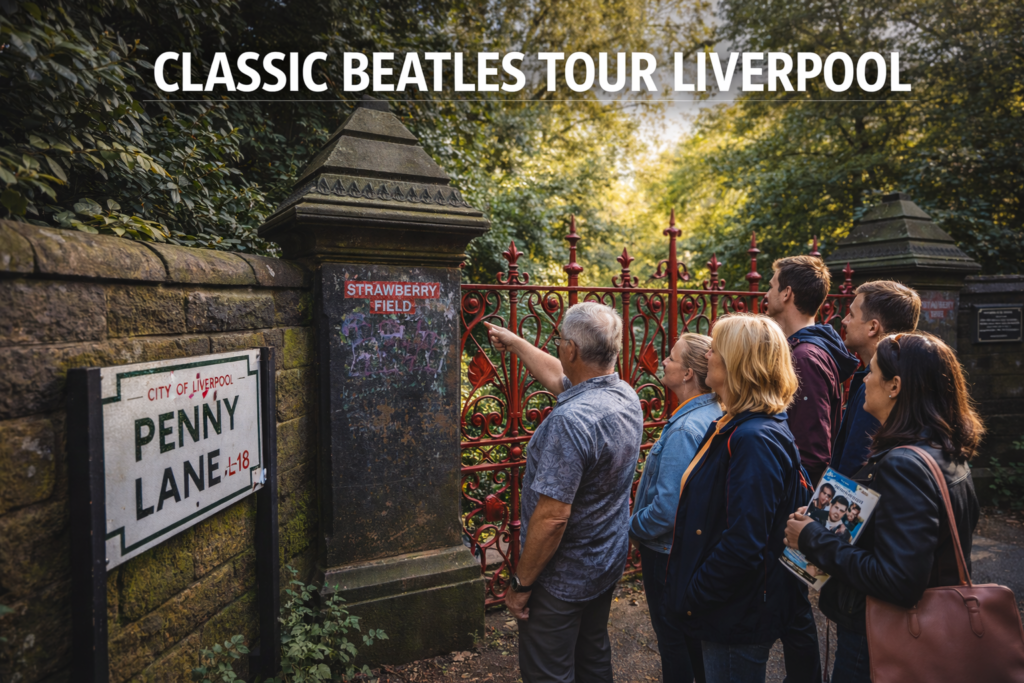
Classic Beatles Tour of Liverpool
Step into the heart of Liverpool and follow the true story of The Beatles through the streets, homes, and landmarks that inspired the world’s greatest band.