
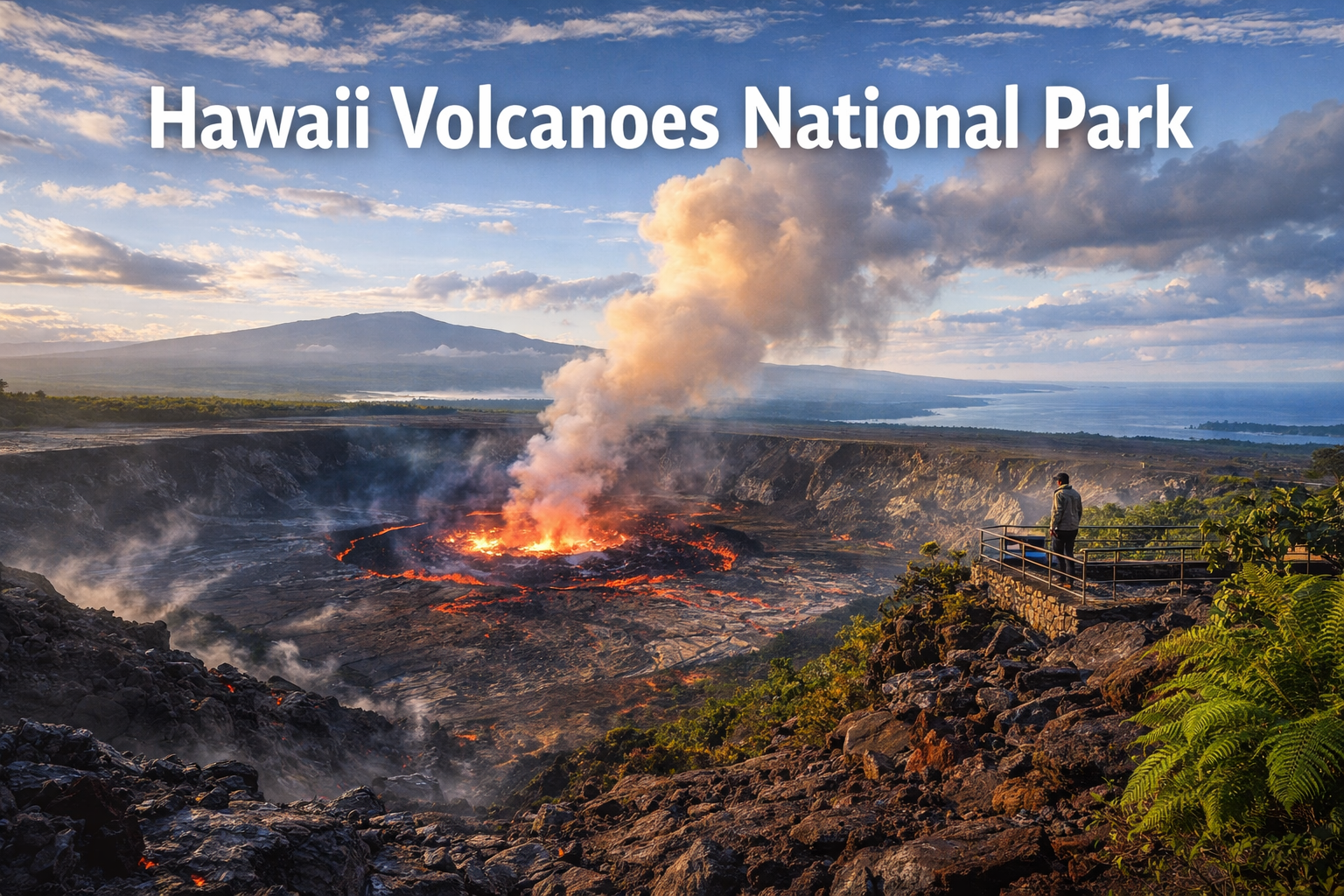
Hawaii Volcanoes National Park
Hawaii Volcanoes National Park offers a rare chance to witness living volcanoes, dramatic lava landscapes, and deep Hawaiian cultural history in one of the most powerful natural parks on Earth.




Highlights
- Home to Kilauea and Mauna Loa two of the world’s most famous volcanoes
- Active lava landscapes shaped by ongoing eruptions
- Diverse ecosystems from rainforests to volcanic deserts
- Sacred Hawaiian cultural sites and ancient trails
- Scenic drives crater views and dramatic coastal cliffs
Description
Hawaii Volcanoes National Park is a place where the planet reveals its raw power and constant transformation. Located on the Island of Hawaii, the park protects vast volcanic landscapes shaped by fire, time, and the forces beneath the Earth’s crust.
Visitors move through steaming craters hardened lava fields lush forests and sweeping ocean views, often within the same day. Every trail and overlook tells a story of creation destruction and renewal, making the park both visually dramatic and deeply humbling.
Beyond geology, the park holds profound cultural meaning for Native Hawaiians, who consider the volcanoes sacred and alive, closely connected to Pele the goddess of fire and creation.
Best Time to Visit
The best time to visit Hawaii Volcanoes National Park is morning, especially between 8:00 AM and 11:00 AM, when temperatures are cooler and visibility is clearer.
April to October offers drier weather and better hiking conditions, while winter months bring cooler air and misty landscapes that add a dramatic atmosphere.
Fun Facts
- The park contains one of the world’s most active volcanoes
- New land is still being created by lava flows
- Mauna Loa is the largest volcano on Earth by volume
- Temperatures can vary greatly within the park
- Some lava fields are only decades old
Itinerary
1 Day Ideal Visit (Recommended)
Morning:
Start with the visitor center.
Drive Crater Rim Road and view Kilauea Caldera.
Walk short trails near steam vents and overlooks.
Midday:
Explore lava tubes and rainforest trails.
Stop at scenic viewpoints for photos and rest.
Afternoon:
Visit coastal or higher elevation areas.
End the day watching sunset colors over volcanic terrain.
2 Day Relaxed Option
Day 1 focuses on summit areas and crater views.
Day 2 explores lava fields coastal trails and longer hikes.
Photo Spots
- Kilauea Caldera overlooks
- Lava tube entrances and interiors
- Steam vents against open skies
- Crater Rim Drive viewpoints
- Volcanic coastlines and cliffs
Pro Tips
- Wear sturdy shoes for uneven volcanic terrain
- Bring layers due to changing temperatures
- Check eruption and safety updates before visiting
- Carry water and sun protection
- Respect closures and sacred cultural sites
History
Hawaii Volcanoes National Park was established in 1916 to protect the powerful volcanic landscapes of Kilauea and Mauna Loa, areas that had long been revered by Native Hawaiians. For centuries before Western contact, these lands were considered sacred, believed to be the home of Pele, the goddess of fire and volcanoes, whose presence symbolized both destruction and creation.
During the nineteenth century, scientists and explorers began studying the volcanoes, recognizing their global geological importance. Early conservationists pushed to preserve the region as a living laboratory where volcanic activity could be observed safely and respectfully.
Since its founding, the park has expanded to protect diverse ecosystems, ancient trails, and cultural sites while continuing to adapt to ongoing eruptions. Today, it stands as one of the world’s most significant natural parks, where science, culture, and living geology exist side by side.
Listen as a Song
A destination brought to life through music by Triplara.com
⭐ A story you feel, not just hear 🎧
🎟️ Ready to Plan Your Visit?
Most visitors book tickets in advance to avoid queues and sold-out days.
See Tickets
 Location Map
Location MapMore to explore
Automatically pulled from related stories and nearby places.
Related Stories

Hawaii Outdoor Activities
From volcanic hikes to crystal clear ocean adventures, Hawaii outdoor activities offer an unmatched blend of thrill, culture, and natural beauty in one unforgettable destination.

Waikiki Whale Watching Tour
Sail from Waikiki into the Pacific and experience one of Hawaii’s most emotional wildlife encounters as humpback whales breach, sing, and migrate just offshore.
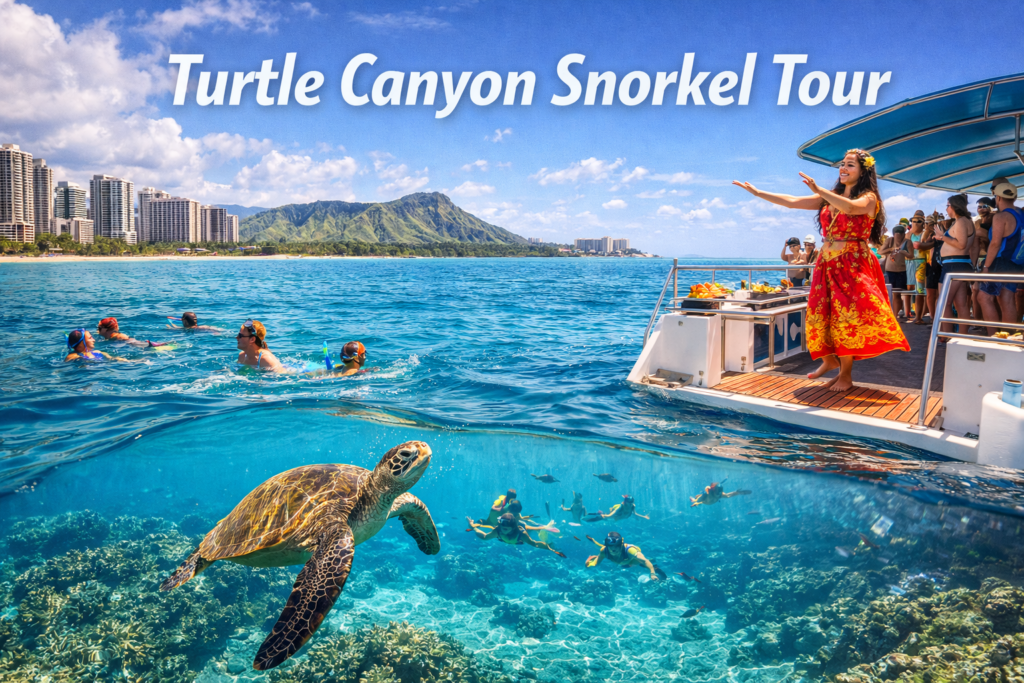
Turtle Canyon Snorkel Tour
Discover one of Waikiki’s most loved ocean experiences with a guided snorkeling tour at Turtle Canyon featuring Hawaiian green sea turtles a live hula performance and light snacks all set against Oahu’s sparkling blue waters.
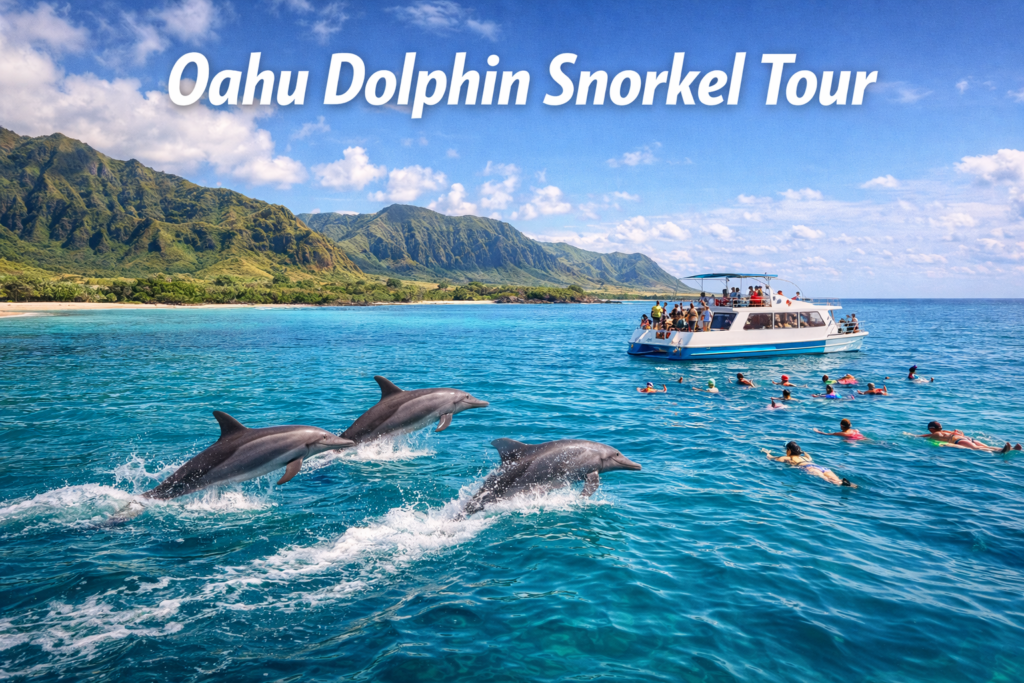
Oahu Dolphin Snorkel Tour
Experience Oahu’s ocean life up close on a guided dolphin watching and snorkeling tour that includes lunch and roundtrip transfers. Swim in clear waters spot wild dolphins and enjoy a relaxed island adventure designed for comfort and discovery.
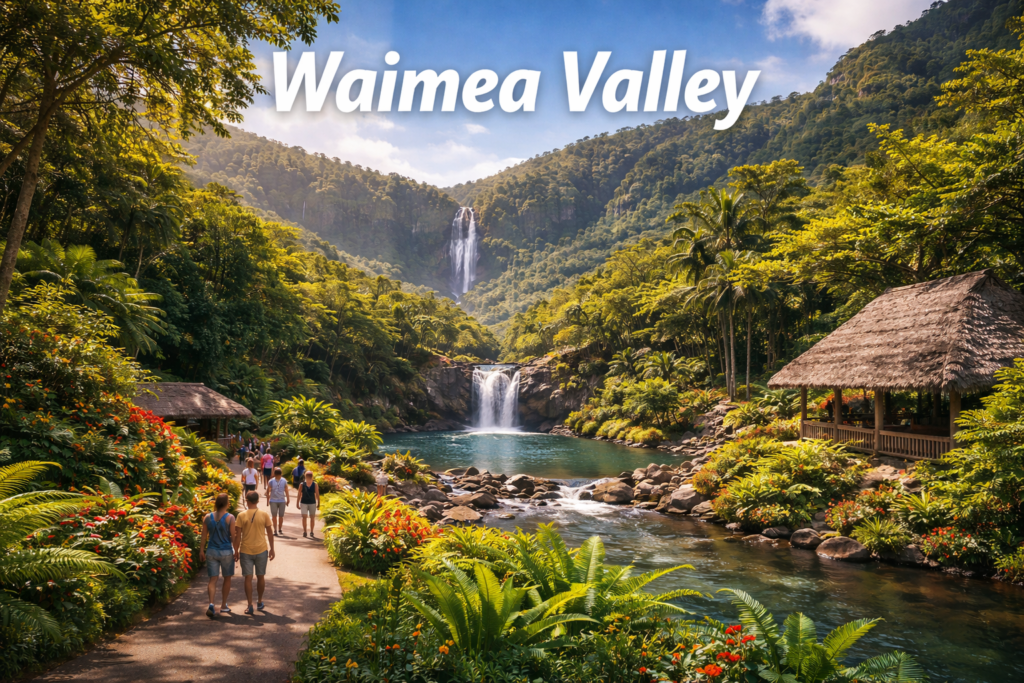
Waimea Valley Oahu
Waimea Valley is one of Oahu’s most meaningful natural destinations where Hawaiian history lush botanical gardens and a legendary waterfall come together in a peaceful cultural sanctuary on the North Shore.

Oahu Grand Circle Tour
Explore the full beauty of Oahu in one unforgettable day with a Grand Circle Island Tour that includes scenic coastal stops historic landmarks and a visit to the famous Dole Pineapple Plantation complete with lunch along the way.