
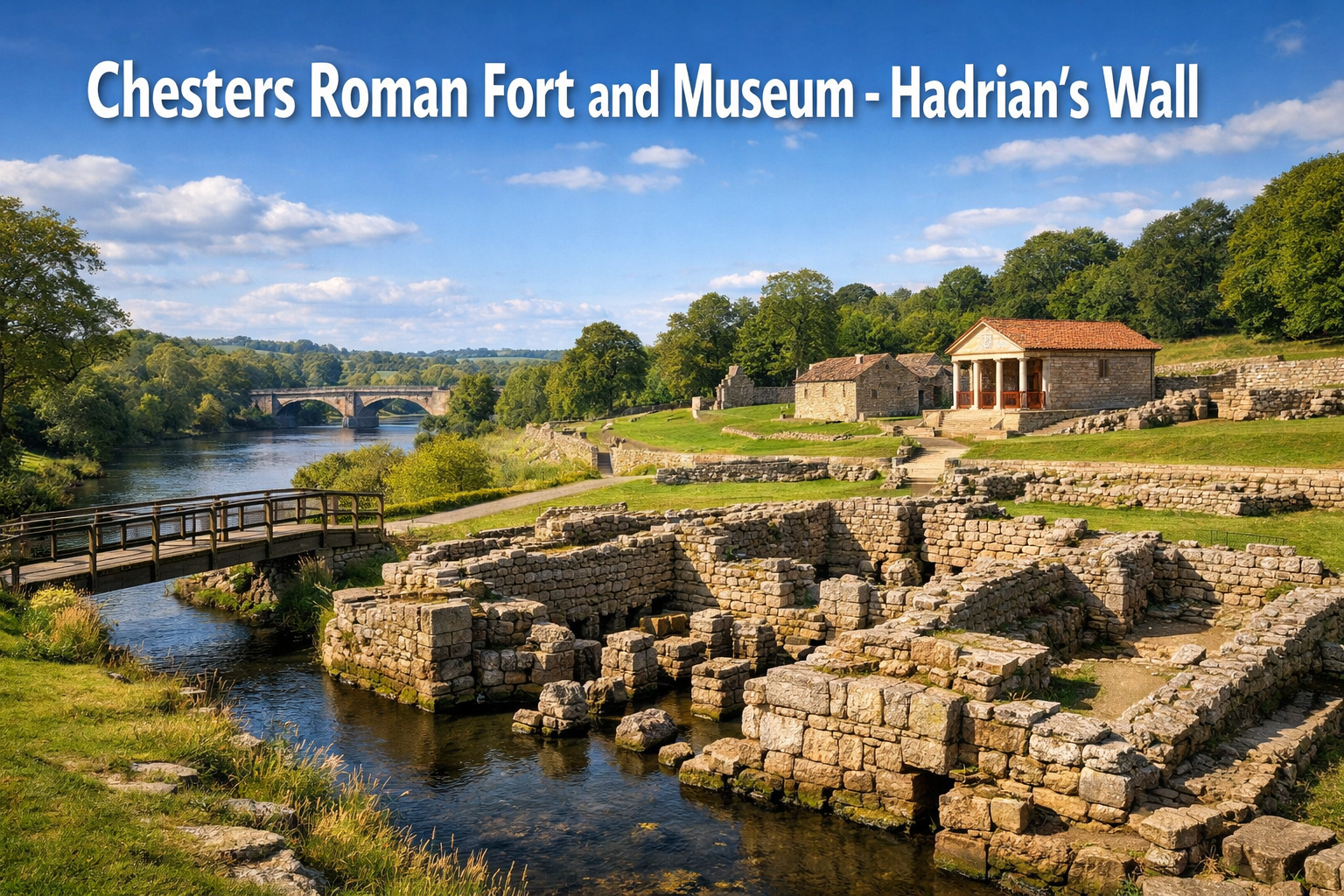
Chesters Roman Fort on Hadrian’s Wall
Walk through the remains of Chesters Roman Fort and uncover daily life on Hadrian’s Wall. From bathhouses to barracks this riverside fort offers a vivid journey into Roman Britain.




Highlights
- One of the best preserved Roman cavalry forts on Hadrian’s Wall
- Located beside the River Tyne with scenic countryside views
- Remarkable bathhouse ruins and defensive structures
- On site museum displaying Roman artifacts and inscriptions
- Peaceful walking paths along a UNESCO World Heritage Site
Description
Chesters Roman Fort stands quietly beside the River Tyne, offering one of the most atmospheric encounters with Roman Britain along Hadrian’s Wall. Known in Roman times as Cilurnum, the fort once housed a cavalry unit tasked with guarding a vital river crossing and maintaining control of the frontier.
Today, visitors walk among stone foundations, towering walls, and the remains of an impressive bathhouse complex. The open landscape allows the scale of the fort to reveal itself naturally, with sweeping views across Northumberland countryside adding to the sense of isolation once felt by Roman soldiers.
The site is complemented by a well curated museum that brings everyday Roman life into focus through altars, inscriptions, tools, and personal objects recovered from the fort and surrounding area.
Best Time to Visit
The best time to visit Chesters Roman Fort is from late spring to early autumn when daylight is long and the surrounding landscape is at its most vibrant. Morning visits offer softer light and a quieter atmosphere for exploration.
Summer provides the warmest conditions, while autumn brings golden colors along the riverbanks. Winter visits are peaceful but can be cold and weather dependent.
Fun Facts
- The Roman name of Chesters was Cilurnum
- The fort housed around 500 Roman cavalry soldiers
- Its bathhouse is one of the best preserved on Hadrian’s Wall
- The site includes remains of a Roman bridge over the River Tyne
- Many artifacts were collected by antiquarian John Clayton in the 19th century
Itinerary
Half Day Visit (Recommended)
Morning:
Begin at the museum to understand the history and layout of the fort.
Walk the perimeter walls and explore the central buildings.
Midday:
Visit the bathhouse ruins near the river and follow the riverside paths.
Take time to enjoy the views and photograph the landscape.
Afternoon:
Walk a section of Hadrian’s Wall nearby and revisit areas of interest at a relaxed pace.
Photo Spots
- The bathhouse ruins beside the River Tyne
- Wide views of the fort with rolling countryside behind
- Stone walls and gateways in soft morning light
- Riverbank paths with reflections of the ruins
- Hadrian’s Wall stretching across the landscape
Pro Tips
- Wear sturdy shoes as paths can be uneven
- Allow time for the museum before exploring the ruins
- Check weather conditions as the site is exposed
- Combine your visit with nearby forts along Hadrian’s Wall
- Bring a camera for sweeping landscape shots
History
Chesters Roman Fort was built around AD 123 shortly after Emperor Hadrian ordered the construction of his wall across northern Britain. Known as Cilurnum, the fort guarded a bridge over the River Tyne and played a vital role in controlling movement across the frontier.
The fort housed a cavalry regiment, likely recruited from northern Spain, whose duties included patrols, rapid response to threats, and protection of trade routes. Over the centuries, the fort was rebuilt and reinforced, reflecting changing military needs and continued Roman presence.
After the Roman withdrawal in the early fifth century, the site fell into ruin. In the nineteenth century, antiquarian John Clayton began systematic excavations, preserving the remains and assembling a collection that formed the basis of the modern museum. Today, Chesters stands as one of the most important and evocative Roman sites on Hadrian’s Wall.
Listen as a Song
A destination brought to life through music by Triplara.com
⭐ A story you feel, not just hear 🎧

🎟️ Ready to Plan Your Visit?
Most visitors book tickets in advance to avoid queues and sold-out days.
See Tickets
 Location Map
Location MapMore to explore
Automatically pulled from related stories and nearby places.
Related Stories

London Night Bus Tour with Live Guide
Experience London by night on a guided bus tour featuring live storytelling, glowing landmarks, and unforgettable city views. Explore the capital’s most iconic sights beautifully lit after sunset.

London Paddington Station Luggage Storage Guide
Discover safe, affordable, and convenient luggage storage options at London Paddington Station. Find locations, prices, opening hours, tips, and nearby attractions in this complete traveler friendly guide.

London Palaces and Parliament Walking Tour Guide
Explore London’s iconic palaces and the historic Houses of Parliament on a small group walking tour through royal landmarks, political history, and centuries of British heritage.

DreamWorks Tours Shrek’s Adventure London Guide
Explore DreamWorks Tours Shrek’s Adventure London, an immersive walk through journey on the South Bank where fairy tales, live actors and cinematic magic bring Shrek and friends to life in the heart of the city.
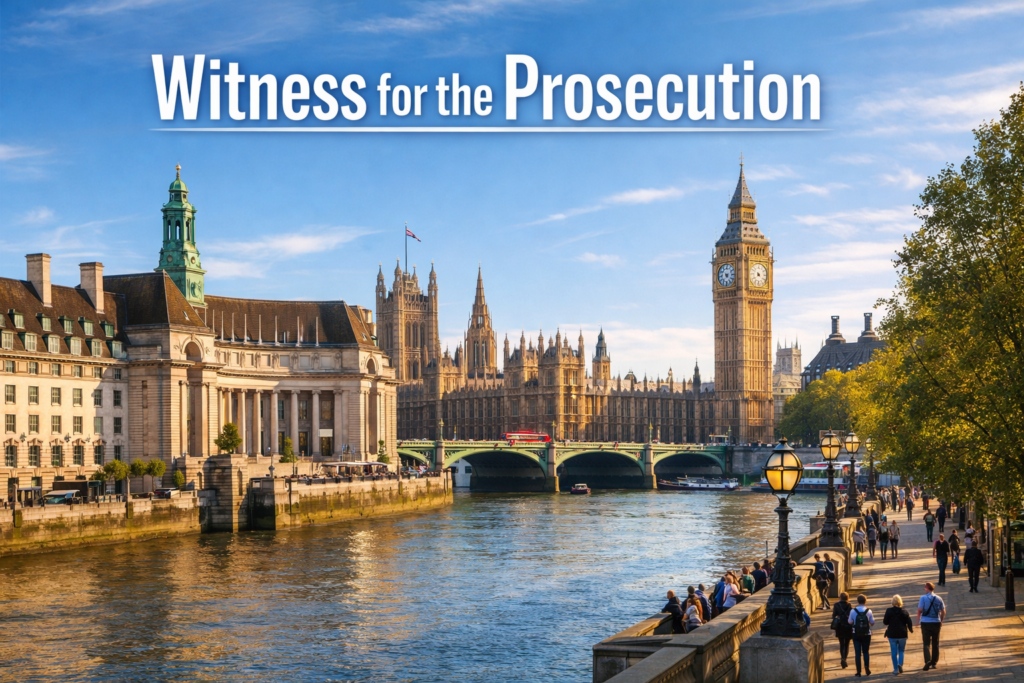
Witness for the Prosecution London Courtroom Drama Experience
Step inside a real courtroom and become part of the drama as Witness for the Prosecution unfolds around you. This immersive Agatha Christie classic blends suspense, surprise, and performance, placing the audience at the heart of one of London’s most unforgettable theatre experiences.
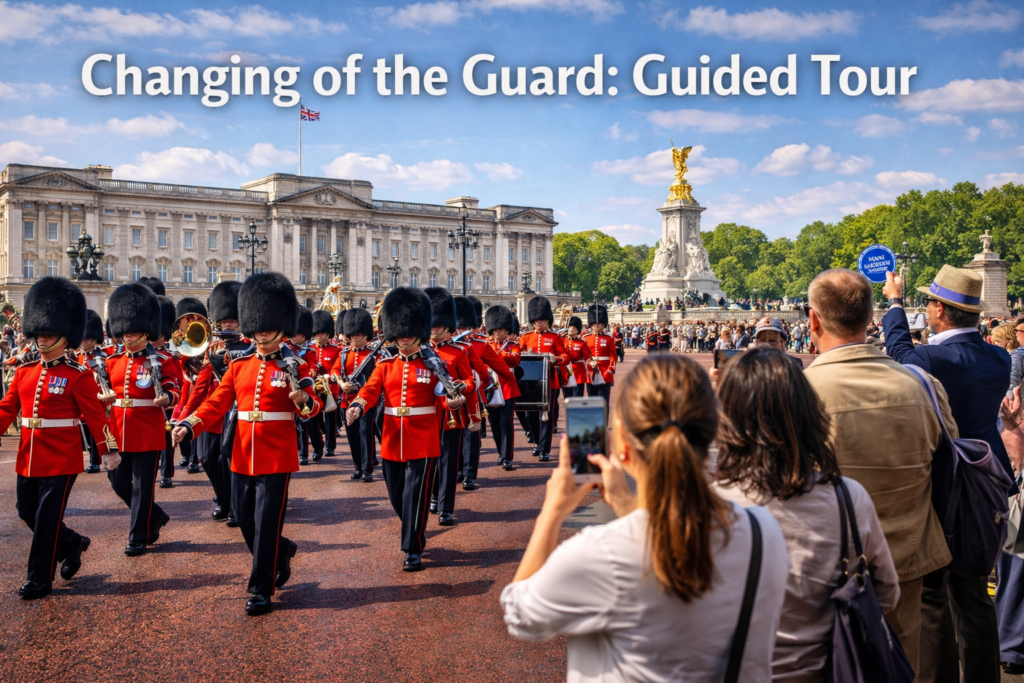
Changing of the Guard Guided Tour
The Changing of the Guard Guided Tour offers a front row experience of Britain’s most famous royal tradition, combining ceremonial precision, historic streets, and expert storytelling near Buckingham Palace.